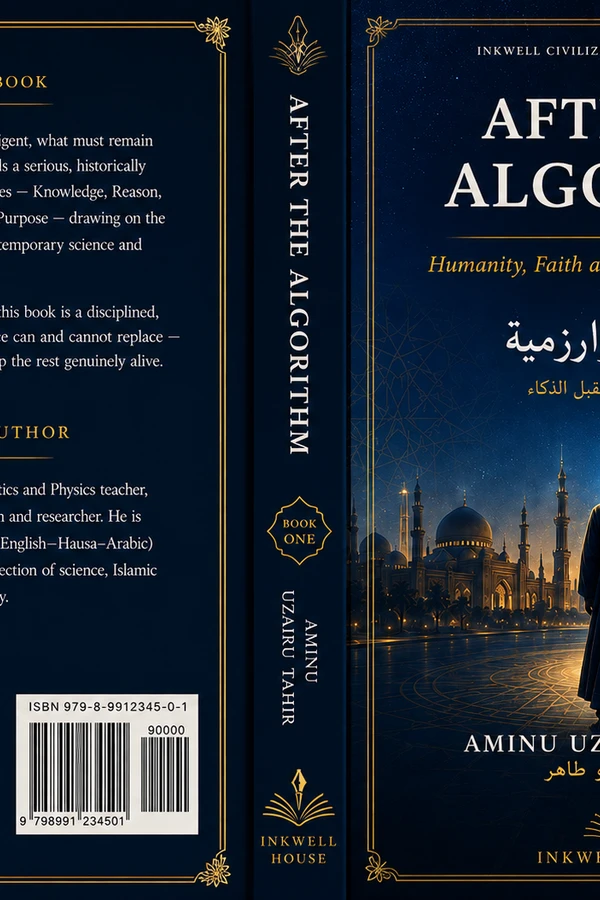
After The Algorithm
About This Book
To think clearly about what must remain human, this book organizes its inquiry around seven
distinct forms of intelligence that human beings have always needed and that no civilization,
including the Islamic intellectual tradition this book draws from, has ever reduced to one thing:
knowledge, reason, ethics, faith, creativity, community, and purpose. Each has a history. Each is
now being tested, in different ways, by machines that can imitate its surface without possessing
its substance. Each chapter in this book asks the same disciplined question of a different
faculty: what exactly can a machine do here, what exactly can it not do, and what does it now
take — deliberately, since it will no longer happen by default — to keep that faculty alive in
ourselves and in the people we are responsible for raising, teaching, and leading.
Arabic
ولكي يفكر هذا الكتاب بوضوح فيما يجب أن يظل إنسانيًا، فقد ن ّظم بحثه حول سبعة أنواع
متمايزة من الذكاء احتاجها اإلنسان دائمًا، ولم تختزلها أي حضارة — بما فيها الحضارة اإلسالمية
— في شيء واحد: المعرفة، والتفكير، واألخالق، واإليمان، واإلبداع، والمجتمع، والغاية. لكل منها
تاريخه، وكل منها ُيختبر اآلن، بطرق مختلفة، أمام آالت قادرة على محاكاة سطحه دون امتالك
جوهره. يطرح كل فصل من فصول هذا الكتاب السؤال ذاته بانضباط على ملكة مختلفة: ما الذي
تستطيع اآللة فعله هنا بالضبط؟ وما الذي ال تستطيعه بالضبط؟ وما الذي بات يتطلبه األمر اآلن
— عن قصد، ألنه لن يحدث بعد اليوم من تلقاء نفسه — للحفاظ على حياة هذه الملكة فينا،
وفيمن نحن مسؤولون عن تربيتهم وتعليمهم وقيادتهم.
In 'After The Algorithm', Aminu Uzairu Tahir examines seven distinct forms of intelligence that define humanity. The book addresses the implications of artificial intelligence on knowledge, ethics, creativity, and more, providing a framework for nurturing these faculties in ourselves and future generations.
Who this book is for
- Educators seeking to understand AI's impact
- Parents guiding children in a tech-driven world
- Students navigating AI in learning
- Anyone interested in the future of intelligence
- Believers exploring faith in the digital age
What you'll learn
- What machines can and cannot replicate
- The importance of preserving human faculties
- Practical strategies for nurturing intelligence
- How AI challenges traditional concepts of knowledge
- The role of ethics in technology
- Ways to foster creativity in an algorithmic age
- Understanding community and purpose in a tech world
Read a free sample 3 pages from the book
Author’s Note / كلمة المؤلف I did not set out to write a book about artificial intelligence. I set out to answer a question that kept following me into classrooms, mosques, and conversations with my own students: if a machine can now do so much of what we once thought made us intelligent, what exactly is left that is ours alone? This book is my attempt at a serious answer — one that does not borrow its confidence from technophobia or techno-optimism, but builds it from the ground up, using categories of human intelligence that the Islamic intellectual tradition, among others, has always taken seriously. It is written bilingually, in English and Arabic, not as a translation exercise but because the ideas in this book belong equally to readers in both languages, and because I believe the conversation about AI’s future should not be conducted only in English. طناعي. بل شرعت في الإجابة عن سؤال ظل يلاحقني لم أشرع في كتابة كتاب عن الذكاء الاصُ إلى الفصول الدراسية والمساجد والحوارات مع طلابي: إذا كانت الآلة قادرة الآن على أداء الكثير مما كنا نظنه علامة على الذكاء، فما الذي تبقى لنا وحدنا؟ هذا الكتاب محاولتي للإجابة عن هذا السؤال بجدية — إجابة لا تستمد ثقتها من الخوف من التقنية ولا من الانبهار بها، بل تبنيها من الأساس، مستعينة بفئات من الذكاء الإنساني أخذتها تب ثنائي اللغة، بالإنجليزية ` . وقد ك a التقاليد الفكرية الإسلامية، من بين غيرها، مأخذ الجد دائما والعربية، لا كتمرين ترجمة، بل لأن أفكار هذا الكتاب ملك لقراء اللغتين على حد سواء، ولأنني دار بالإنجليزية وحدها. ` طناعي لا ينبغي أن يأؤمن بأن الحوار حول مستقبل الذكاء الاصُ Foreword / تقديم [A Foreword is conventionally written by someone other than the author — a respected scholar, educator, or public figure whose endorsement lends the book context and credibility. Space is reserved here for that contribution. Suggested profile: an Islamic studies scholar, an AI-ethics academic, or an African education leader who can speak to the book’s relevance from outside the author’s own voice.] ل شخصية أخرى غير المؤلف — عالم أو تربوي أو شخصية عامة y ب W كتب التقديم عادة من ق ` [سي ترك هذه المساحة لتلك المساهمة.] ` محترمة. ت Preface / مقدمة الطبعة This book can be read in two ways. Read straight through, it builds an argument — that human intelligence was never one thing, and that naming its seven distinct forms is the first step to protecting what AI cannot replace. Read chapter by chapter, as a reference, it works as a standalone guide to any one of those seven faculties — knowledge, reason, ethics, faith, creativity, community, or purpose — for a teacher building curriculum, a parent having a hard conversation, or a reader simply trying to think more clearly about their own place in an algorithmic age.
•References / المراجع •Glossary / قائمة المصطلحات •About the Author / عن المؤلف Each of Chapters 2–8 is structured in two parts: a philosophical/analytical half (what this intelligence is, and precisely what AI can and cannot replicate of it) and a practical half (how to deliberately cultivate it — in classrooms, homes, workplaces, and communities — now that machines have entered the picture). Introduction — The Question That Will Define This Century There is a question every generation eventually has to answer, though not every generation gets to choose when it arrives. For ours, it has arrived early, and it will not wait politely for us to finish debating it: when machines become increasingly intelligent, what must remain uniquely human? This is not a question about technology. It only looks like one. Underneath, it is a question about us — about what kind of intelligence actually deserves the name, about what we owe each other that no system can automate, and about whether meaning is something we discover or something we are handed by whatever produces the most convincing sentence. Artificial intelligence did not invent these questions. It has simply made them impossible to postpone. This book does not treat AI as an enemy to be resisted or a miracle to be worshipped — both postures are, in their own way, a refusal to think. It treats AI as what it actually is: a powerful, narrow, and in some ways genuinely remarkable technology, built by particular people, trained on particular data, optimized for particular outcomes, and entirely without the one thing every intellectual and spiritual tradition has considered central to being human — an inner life that can be held accountable. To think clearly about what must remain human, this book organizes its inquiry around seven distinct forms of intelligence that human beings have always needed and that no civilization, including the Islamic intellectual tradition this book draws from, has ever reduced to one thing: knowledge, reason, ethics, faith, creativity, community, and purpose. Each has a history. Each is now being tested, in different ways, by machines that can imitate its surface without possessing its substance. Each chapter in this book asks the same disciplined question of a different faculty: what exactly can a machine do here, what exactly can it not do, and what does it now take — deliberately, since it will no longer happen by default — to keep that faculty alive in ourselves and in the people we are responsible for raising, teaching, and leading. This is written for the student who uses AI every day and has never been given a framework for what it is doing to her thinking. For the parent who does not know what to tell a child about a world where machines write essays and pass exams. For the teacher standing in front of a classroom built for a world that no longer quite exists. For the believer who wants a serious answer, not a slogan, about what faith requires of a generation raised inside algorithms. And for anyone, of any background, who suspects — correctly — that the most important conversation of this century is not about what machines can do, but about what we still must.
مقدمة — السؤال الذي سيحدد ملامح هذا القرن للإجابة عنه، وإن لم يكن كل جيل يختار توقيت وصُوله. a هناك سؤال يجد كل جيل نفسه مضطرا ، ولن ينتظر بأدب حتى ننتهي من الجدل حوله: حين تصبح a ل هذا السؤال مبكرابالنسبة لجيلنا، وصُ ؟ a خالصا a باطراد، ما الذي يجب أن يظل إنسانياالآلات أكثر ذكاءa عن التقنية، وإن بدا كذلك للوهلة الأولى. إنه في جوهره سؤال عنا نحن: عن أي a هذا ليس سؤالا مما لا يمكن لأي نظام أن a ا ندين به لبعضنا بعضا _ هذا الاسم، وعم a نوع من الذكاء يستحق فعلا . لم يخترع الذكاء a تمنحنا إياه أكثر الجمل إقناعا a نكتشفه أم شيئا a ا إذا كان المعنى شيئا _ يؤتمته، وعم . a مستحيلا a طناعي هذه الأسئلة، لكنه جعل تأجيلها أمراالاصُ ينبغي مقاومته، ولا معجزة ينبغي a فه عدواطناعي بوصُلا يتعامل هذا الكتاب مع الذكاء الاصُ : a تقديسها؛ فكلا الموقفين، على طريقته، هروب من التفكير الجاد. بل يتعامل معه كما هو فعلا ممت لتحقيق ` تقنية قوية ومحدودة النطاق، بناها بشر بعينهم، وتدربت على بيانات بعينها، وصُ إلى الشيء الذي اعتبرته كل تقليد فكري وروحي — بما فيها التقليد a غايات بعينها، وتفتقر تماما في كينونة الإنسان: حياة باطنية يمكن a الفكري الإسلامي الذي ينهل منه هذا الكتاب — جوهريا مساءلتها ومحاسبتها. م بحثه حول سبعة أنواع _ ، فقد نظ a ولكي يفكر هذا الكتاب بوضوح فيما يجب أن يظل إنسانيا ، ولم تختزلها أي حضارة — بما فيها الحضارة الإسلامية a متمايزة من الذكاء احتاجها الإنسان دائما — في شيء واحد: المعرفة، والتفكير، والأخلاق، والإيمان، والإبداع، والمجتمع، والغاية. لكل منها ختبر الآن، بطرق مختلفة، أمام آلات قادرة على محاكاة سطحه دون امتلاك ` تاريخه، وكل منها ي جوهره. يطرح كل فصل من فصول هذا الكتاب السؤال ذاته بانضباط على ملكة مختلفة: ما الذي تستطيع الآلة فعله هنا بالضبط؟ وما الذي لا تستطيعه بالضبط؟ وما الذي بات يتطلبه الأمر الآن — عن قصد، لأنه لن يحدث بعد اليوم من تلقاء نفسه — للحفاظ على حياة هذه الملكة فينا، وفيمن نحن مسؤولون عن تربيتهم وتعليمهم وقيادتهم. م لها إطار قد ` طناعي كل يوم ولم يتب هذا الكتاب من أجل الطالبة التي تستخدم الذكاء الاصُ ` ك لفهم ما يفعله ذلك بتفكيرها. ومن أجل الوالد الذي لا يعرف ما يقوله لطفله عن عالم تكتب فيه ني لعالم لم يعد ` الآلات المقالات وتجتاز الامتحانات. ومن أجل المعلم الواقف أمام فصل دراسي ب ا يتطلبه الإيمان من جيل نشأ _ ، عم a . ومن أجل المؤمن الذي يريد إجابة جادة، لا شعارا a تماما a قائما داخل الخوارزميات. ومن أجل كل من يشك — وهو محق في شكه — أن أهم حوار في هذا ا يجب علينا نحن أن نظل نفعله.…
End of sample. The full book is 36 pages on Afri KDP.
Questions about this book
What is the main focus of the book?
The book focuses on understanding the distinct forms of human intelligence and how they are challenged by artificial intelligence, exploring what must remain uniquely human.
Loading reviews...

Loading…
A download link appears on this page as soon as your payment is confirmed, and a permanent copy of the link is emailed to you.
By card from anywhere. In Nigeria you can also pay by bank transfer, USSD or mobile money. Your card details are entered on Paystack's secure page, never on AfriKDP.
Yes. The file opens on phones, tablets, computers and eReaders.
Yes, with an AfriKDP reading plan, which opens every book in the online reader and pays the author for every page you read.
Write to [email protected] with your email address and we will help. See our return policy.